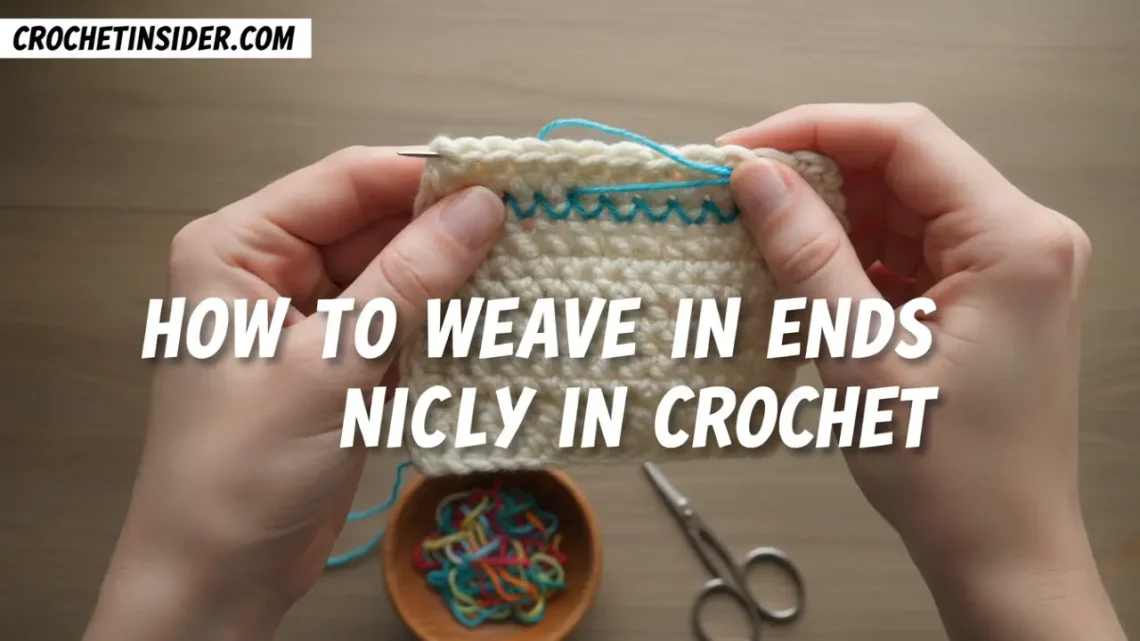
You’ve done it. The last stitch of your beautiful blanket is complete. You hold it up, admire your work… and then you see them. A herd of yarn tails staring back at you from every color change and join. The dreaded “weaving in” looms. I used to rush this step, just threading the ends through a few stitches and snipping, only to have them poke out later or, worse, unravel after the first wash. Nothing undermines hours of beautiful work like a poorly finished back. Let’s reframe this. Weaving in ends isn’t a tedious chore; it’s the final act of…
-
-
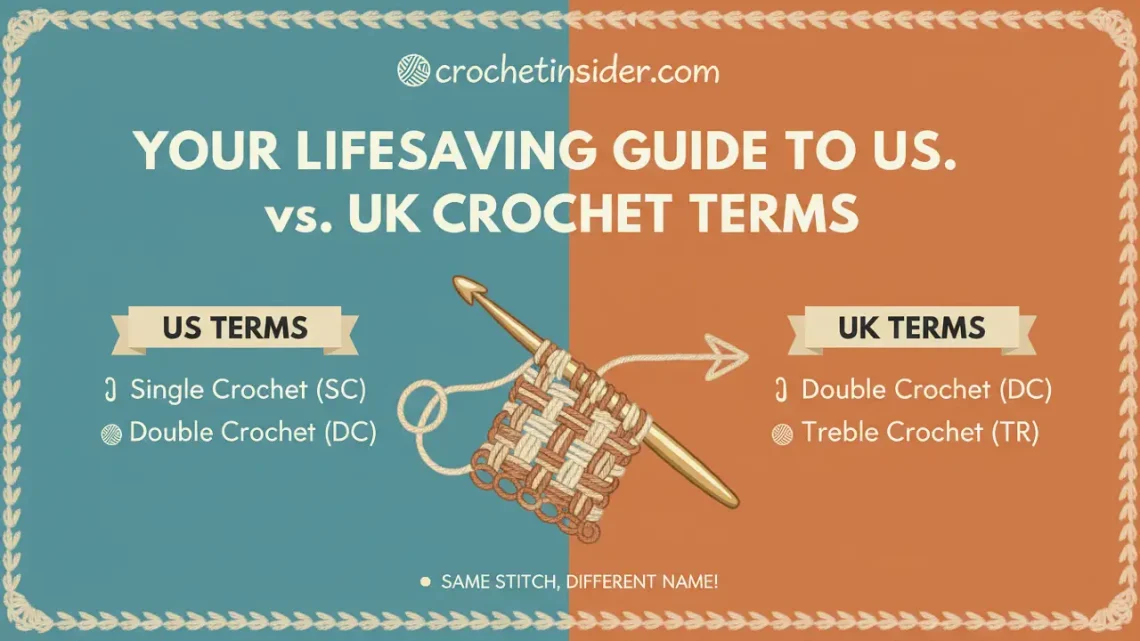
Picture this: You find a stunning pattern for a delicate “double crochet” lace top from a UK designer. You’re excited, grab your hook, and start following the instructions. A few rows in, you realize something is terribly wrong. The fabric is impossibly dense, the top is tiny, and nothing looks like the photo. Why? Because in the UK, “double crochet” (dc) means something completely different than it does in the US. You’ve just fallen into the most common cross-Atlantic crochet trap. I fell into this trap myself early on, wasting hours and yarn. The truth is, most crochet patterns don’t…
-
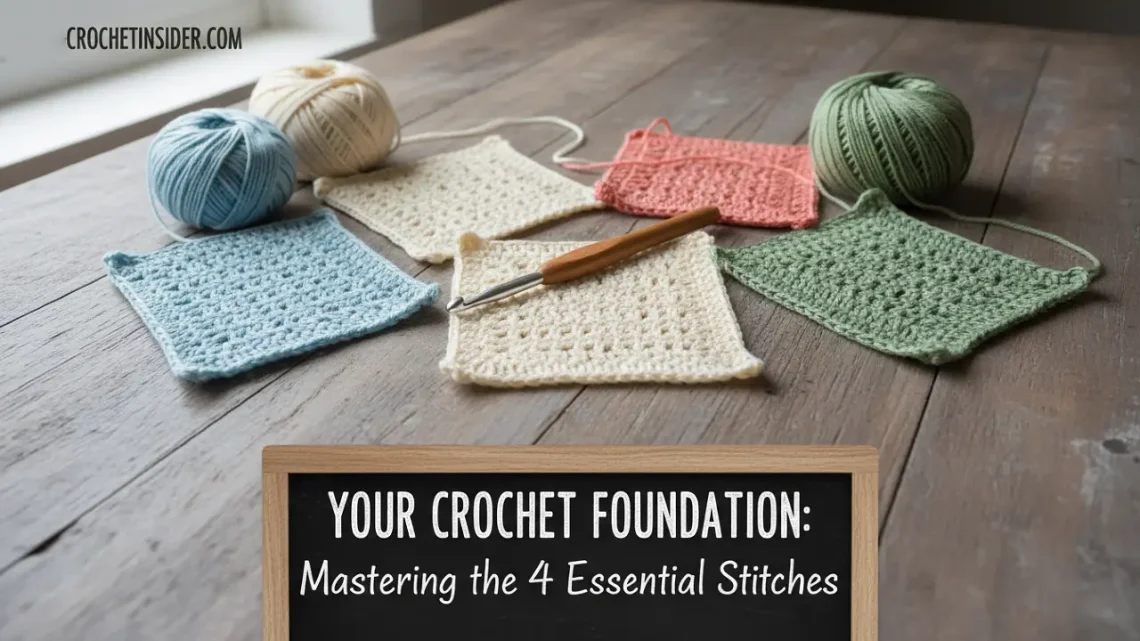
Imagine you’re learning to cook. Before you tackle a soufflé, you need to know how to chop an onion, boil water, and crack an egg. Crochet is the same. Before you can make that dream cardigan or cuddly toy, you must become fluent in the language of loops. That language is built on just four fundamental stitches: Chain (ch), Single Crochet (sc), Double Crochet (dc), and Treble Crochet (tr). I remember my early swatches—a wobbly, hole-riddled mess where my doubles looked like triples and my edges curled into scrolls. I was following instructions but not understanding the architecture of each…
-
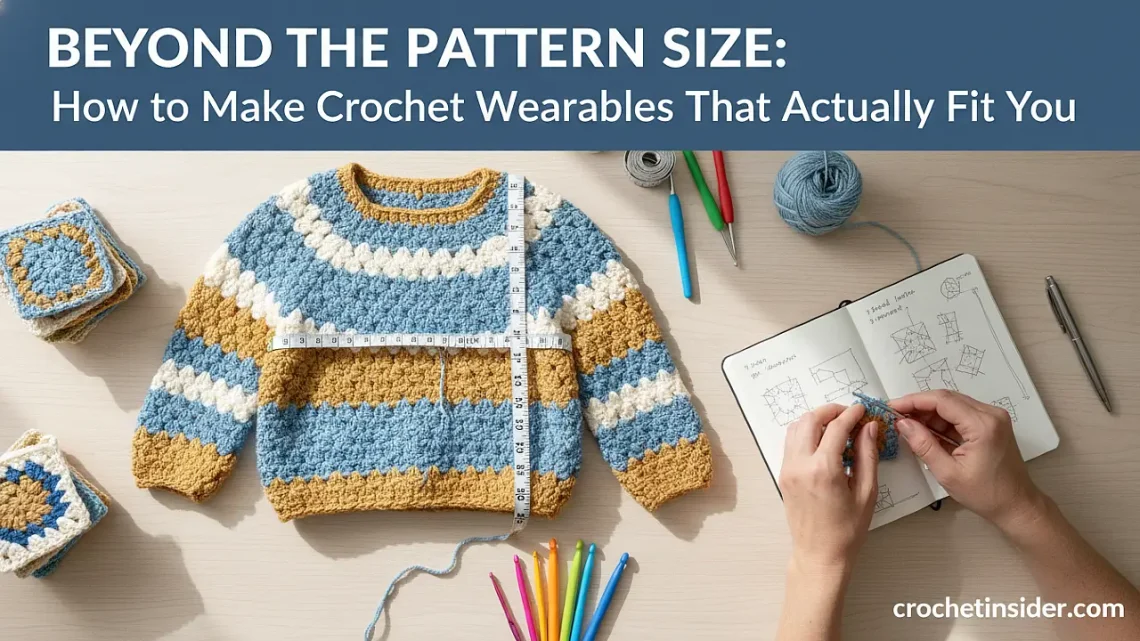
You’ve found the perfect sweater pattern. You’ve swatched religiously, matched gauge, and followed every instruction to the letter. You finish, try it on, and… it’s boxy where it should be snug, tight across the shoulders, or the sleeves are comically long. What went wrong? The pattern’s “Medium” wasn’t your medium. I’ve unraveled more ill-fitting garments than I care to admit before I learned this truth: Pattern sizes are standardized guidelines, not personal guarantees. A flawless fit requires you to become the designer of your own body. Creating a wearable that fits is the pinnacle of crochet skill. It combines precise…
-
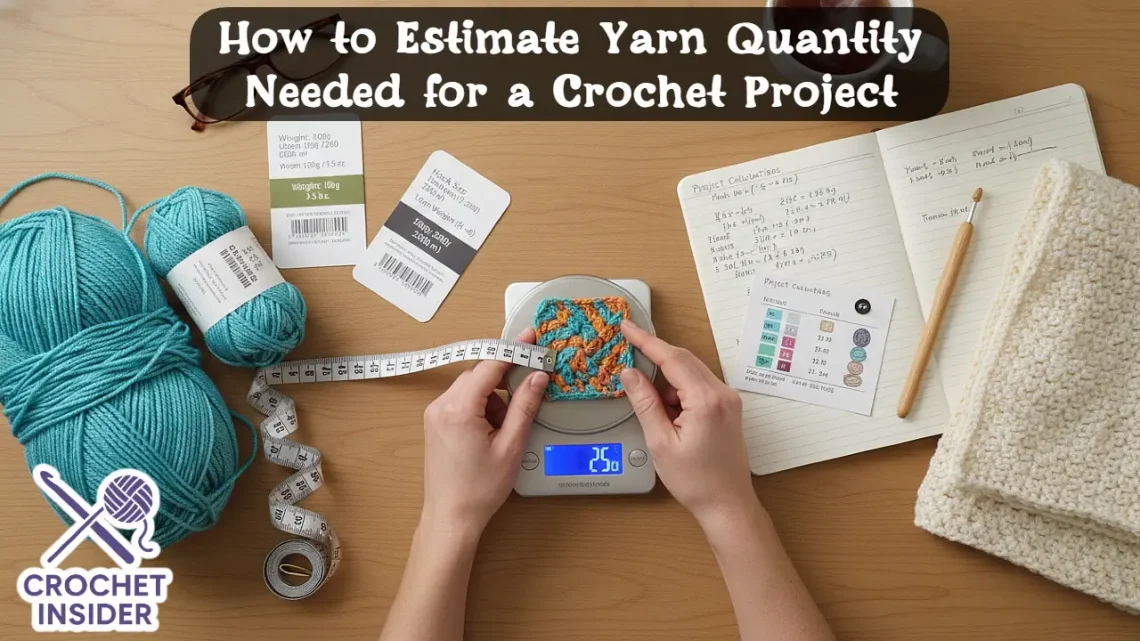
The Great Yarn Guess: How to (Accurately) Estimate Yardage for Any Crochet Project There are few feelings worse than running out of yarn. You’re three-quarters through a beautiful blanket, in the groove, and then… the skein ends. You rush back to the store, only to find your dye lot is sold out forever. The leftover balls from a previous project sit there, mocking you—too much for some things, never enough for others. I’ve suffered this heartbreak more than once, leading to panic-buying, awkward color transitions, or abandoned projects. Estimating yarn isn’t magic or pure luck; it’s a combination of math,…
-
From Idea to Reality: How to Chart Your Own Crochet Patterns (No Degree Required) You have an idea. Maybe it’s a specific colorwork motif for a pillow, a textured stitch pattern you stumbled upon by accident, or a simple shape for an appliqué. You search for a pattern, but nothing matches the vision in your head. This used to frustrate me to no end. I’d think, “If only I could *design* it myself.” I believed pattern design was for math geniuses and crochet prodigies. Then I started doodling stitches on graph paper. My first chart was a wobbly heart for…
-
You’ve spent dozens, maybe hundreds of hours creating a heirloom-quality blanket, a cozy sweater, or delicate lace. You finish it, block it, and it’s perfect. Then, reality sets in: it will get dirty. The fear of ruining your hard work with one wrong move is real. I’ve felt that panic when a red wine splash threatened a white wool shawl, and the heartbreak when a well-meaning relative tossed a hand-wash-only cardigan in the dryer. It shrank from a women’s medium to a doll’s size. Proper care isn’t just about cleaning; it’s about preservation and respect for your craft. Different fibers…
-
You’re in the yarn store, holding two beautiful skeins. One feels softer, but the other is a better color. The labels are a mosaic of numbers, icons, and tiny text. Which one is right for your project? For years, I chose yarn based on color and “squish factor” alone. I ended up with a “wool” scarf that was mostly acrylic and shed everywhere, and a “cotton” bag that stretched into a saggy mess. The truth is hidden in plain sight: Every yarn label is a treasure map, and the “X” marks the spot for project success. Learning to read a…
-
I have a confession: I used to be terrified of making sweaters. It wasn’t the shaping or the yarn—it was the sewing. The idea of meticulously crocheting a front panel, a back panel, and two sleeves, only to spend hours with a needle and thread, trying to seam them together evenly, filled me with dread. One misaligned stitch and the whole thing would look homemade in the worst way. Then I discovered top-down, seamless construction. The first time I made a raglan sweater, trying it on as I went and watching it grow from a simple yoke into a whole…
-
Open your yarn stash. Do you see it? A lonely ball of gorgeous mohair from a forgotten project, a few skeins of rustic wool in different colors, a cone of sturdy cotton, and remnants of sparkly eyelash yarn from a holiday phase. Individually, they’re not enough for a sweater. Together, they could be magic. For years, I viewed each skein in isolation, bound by the pattern’s call for “one yarn.” Then, I saw a blanket made by holding a thin wool and a sparkly thread together. The depth, the texture, the uniqueness—it was a revelation. Combining yarns is the ultimate…