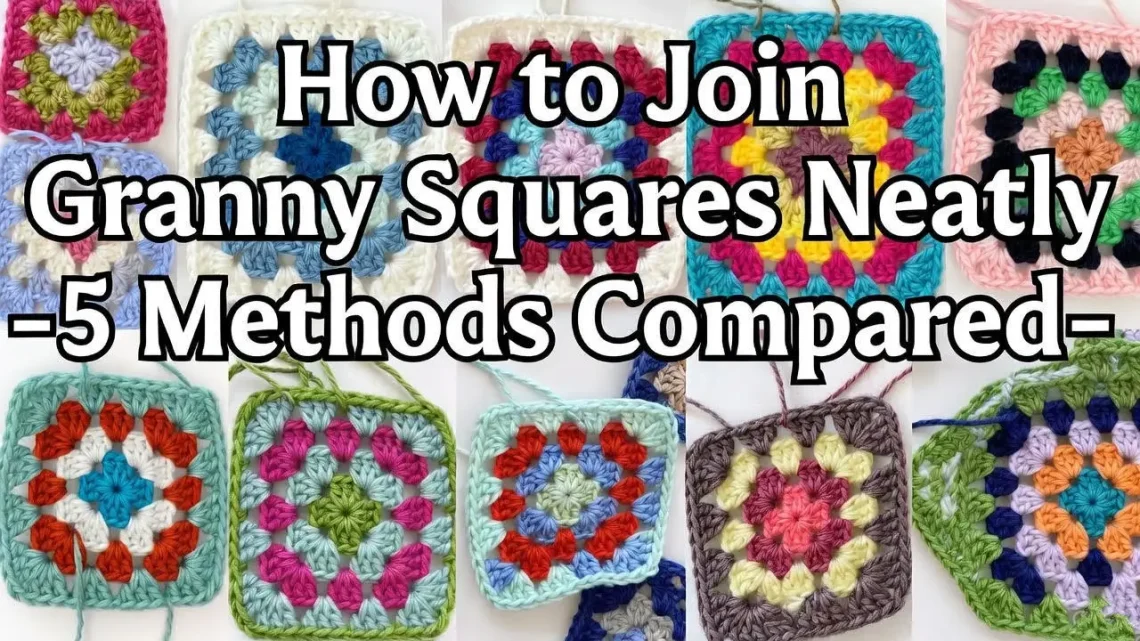
You’ve done the fun part: crocheted a glorious stack of colorful granny squares. They’re perfect little canvases of color and texture. But now they sit in a basket, and the daunting question looms: How do I put them together without ruining them? I’ve been there, staring at piles of squares for months, paralyzed by the fear of choosing the wrong joining method and ending up with stiff, bulky seams that detract from my hard work. I’ve tried them all—the good, the bad, and the truly ugly. Joining is not an afterthought; it’s a design element. The right method can create flat, invisible seams, add…
-
-
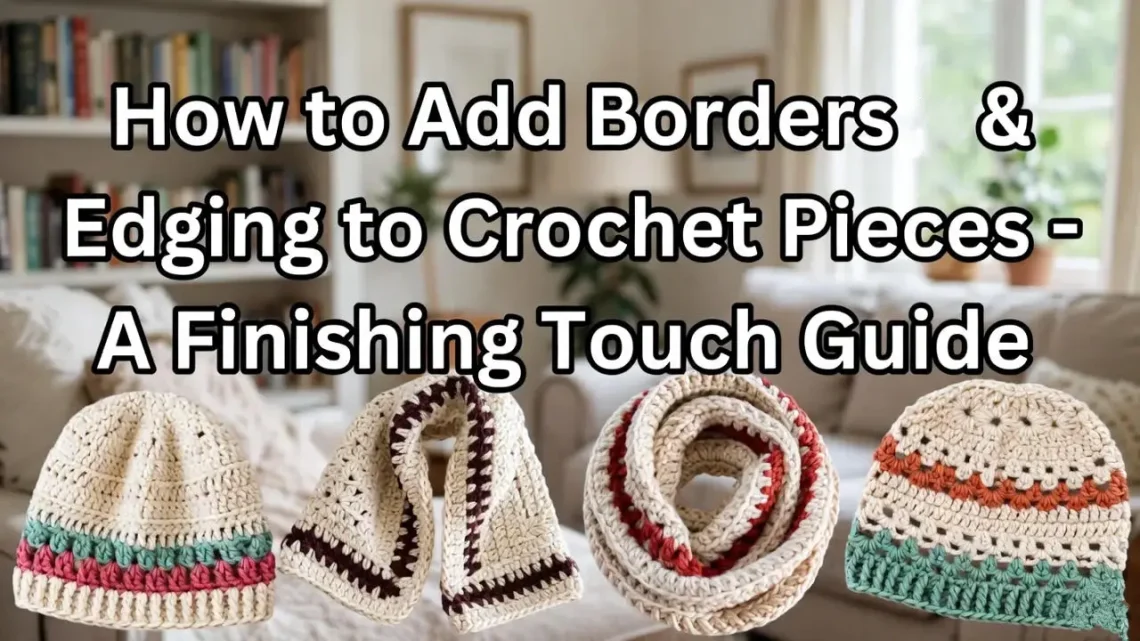
You’ve bound off the last stitch of your blanket, scarf, or garment. It’s beautiful, but something feels… unfinished. The edges might be slightly wobbly, or the piece lacks that polished, “ready-for-prime-time” look. I used to consider borders optional, until I added a simple shell stitch edge to a basic baby blanket. It transformed it from a nice handmade item into a gorgeous heirloom gift. The border became the star. A well-chosen border is more than just decoration; it’s a functional and design-critical finish. It stabilizes edges, corrects minor unevenness, adds weight and drape, and defines the shape of your piece. It’s the…
-
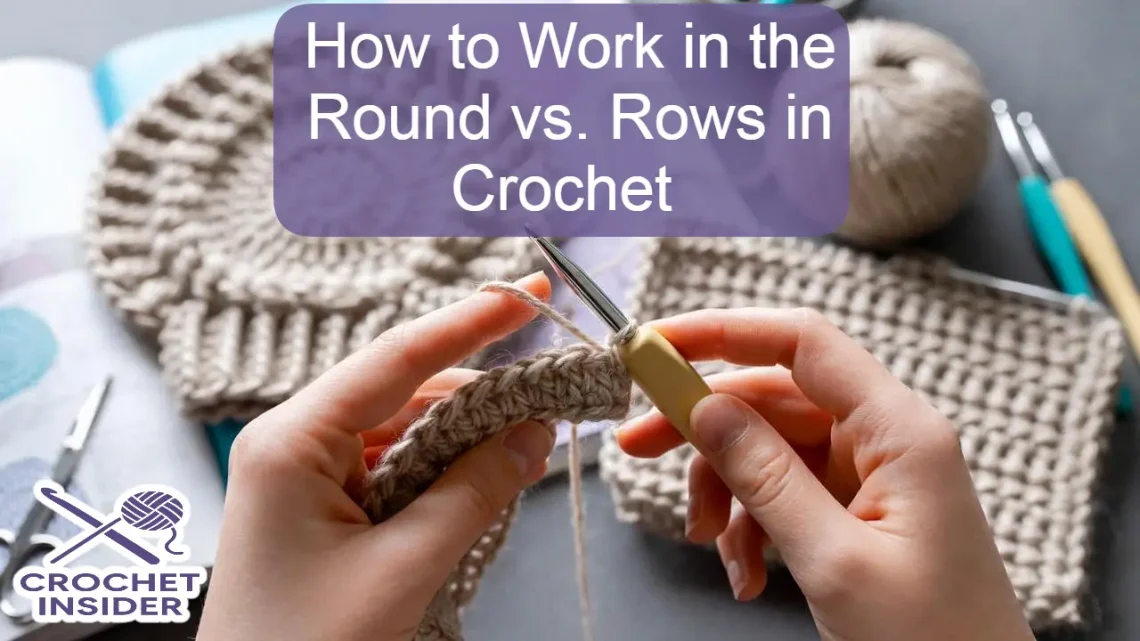
When you first learn to crochet, you typically learn to work back and forth in rows, creating a flat rectangle. It’s logical and straightforward. But then you see a pattern for a beanie, and it says to work “in the round.” Or you want to make a cute amigurumi owl, and the instructions begin with a “magic ring.” Suddenly, you’re asked to think in circles, not lines. This transition can feel like learning to drive a car and then being handed the keys to a helicopter. I resisted working in the round for ages, convinced it was too complex. But once…
-
You’ve just finished a beautiful lace shawl. You hold it up, and… it’s a little wrinkly. The edges curl. The stitches look cramped, and the intricate pattern isn’t fully open. You feel a twinge of disappointment. I’ve been there. For years, I considered my projects “done” after weaving in the last end. Then I tried blocking a mohair scarf. I soaked it, pinned it out, and let it dry. When I unpinned it, I was holding a different object—softer, larger, with stunning openwork and perfect edges. It was no longer just crochet; it was a finished textile. Blocking is not an…
-
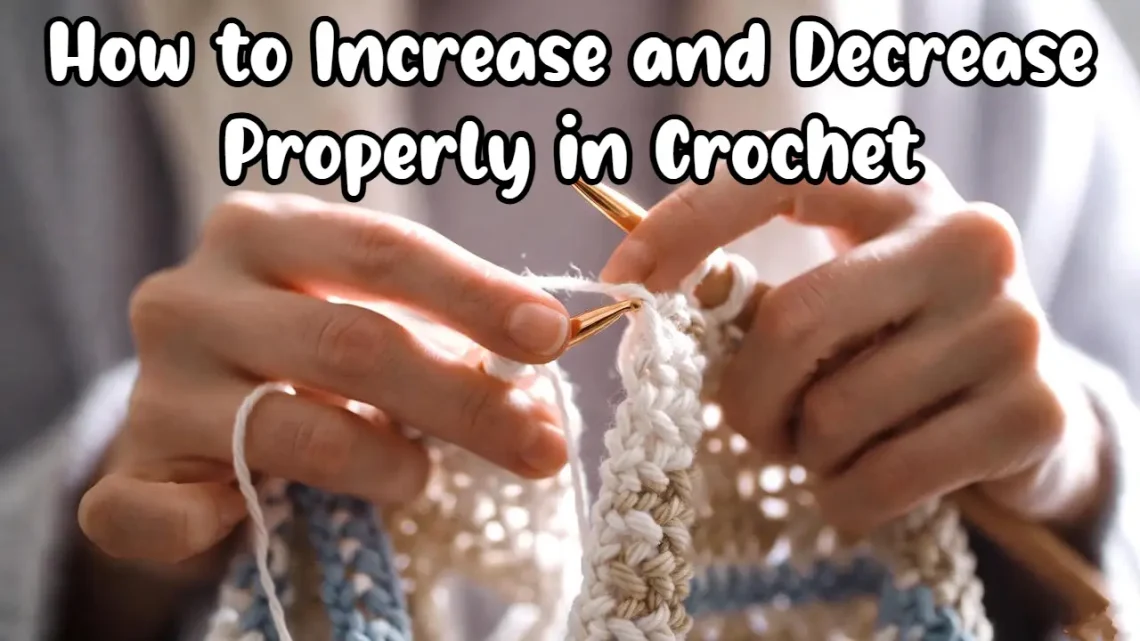
So you can crochet a perfect, straight scarf. Congratulations! But what if you want to make a hat that fits a human head (which is not a cylinder, but an oval), a teddy bear with a rounded snout, or a sweater that contours to your waist? This is where the magic of shaping comes in, and it’s powered by two fundamental actions: increases (making more stitches) and decreases (combining stitches). My first shaped project was a simple baby hat. I knew I had to increase for the crown, but my increases were lumpy and obvious, creating a hexagon instead of a smooth circle.…
-
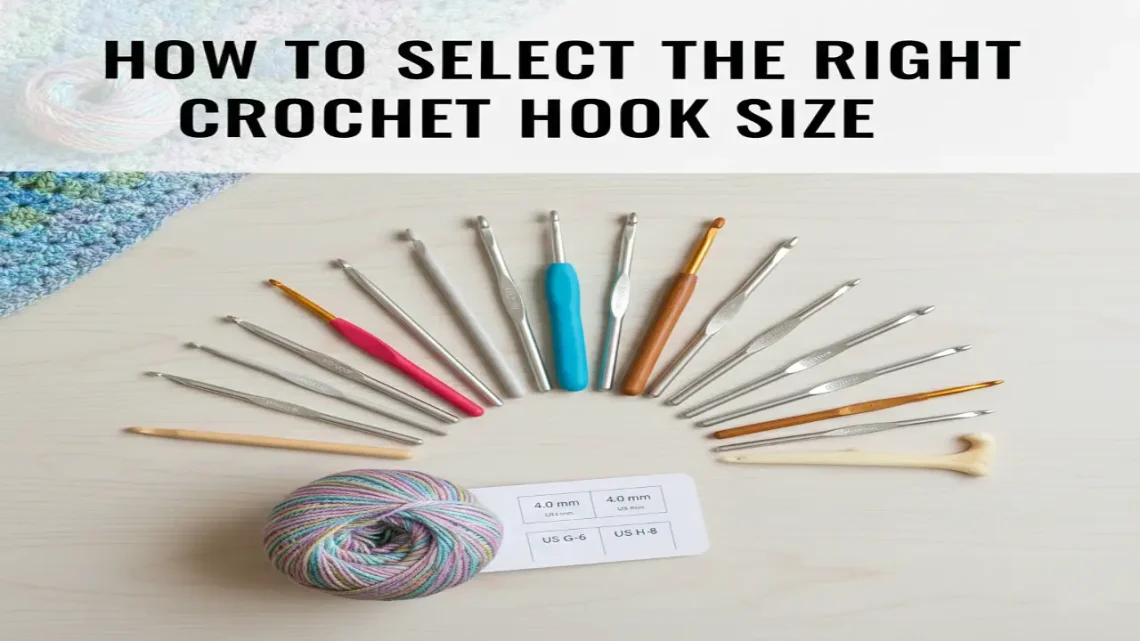
Think of your crochet hook as your dance partner. If you’re mismatched—one of you is too big or too small—the dance (your stitching) will feel awkward and the result will be off. I can’t tell you how many times I’ve seen beautiful yarn turn into a stiff, cardboard-like fabric because the hook was too small, or a loose, gappy mess because the hook was too large. The right hook size in your hand is what transforms a strand of yarn into fabric with the perfect drape, density, and feel. Today, we’re going beyond “use what the label says.” We’ll explore how…
-
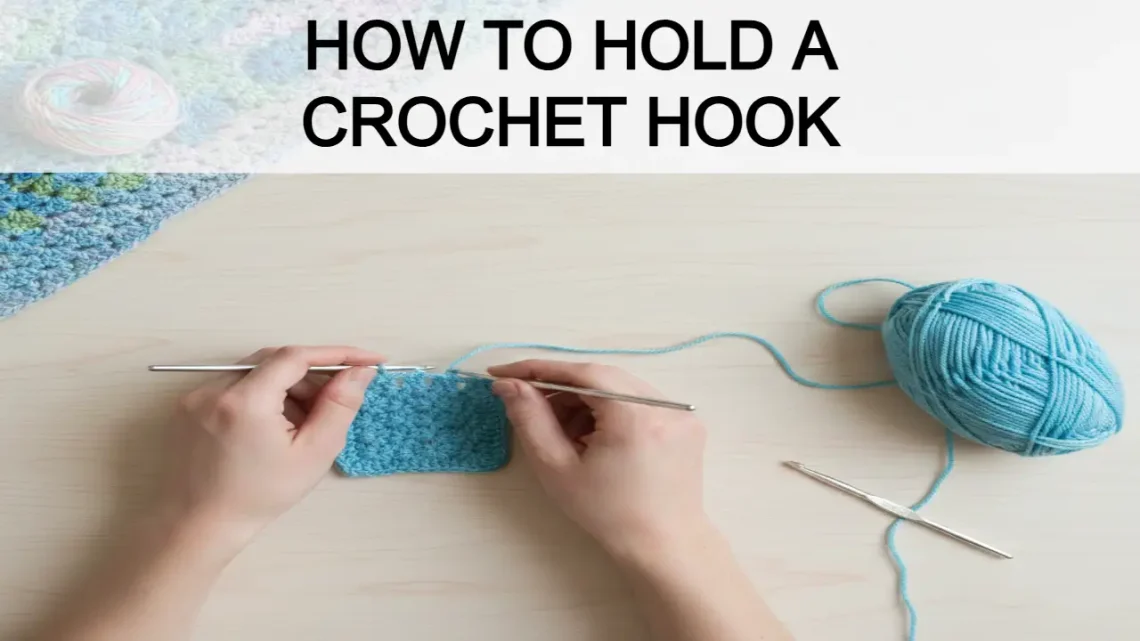
So you’ve got your first soft ball of yarn and a shiny new hook. You’re ready to create something beautiful… but wait. How on earth are you supposed to hold this thing? If you’re feeling a bit awkward, like you’re trying to write with the wrong hand, you’re not alone. Every single crocheter—including me, with over 15 years under my belt—started right where you are now. Let’s get one thing straight: there is no single “perfect” grip enforced by the Crochet Police. But there is a comfortable, efficient way that will save your hands from aching and make your stitches even. Think of it…
-
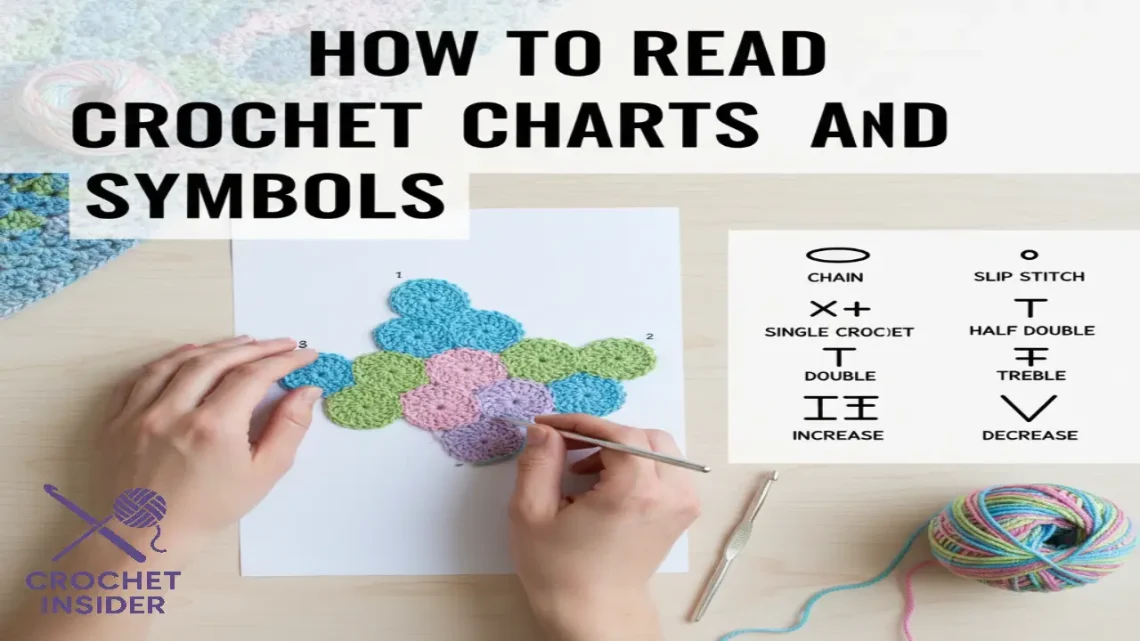
For years, I avoided patterns that featured those mysterious diagrams filled with little symbols, assuming they were for “advanced” crocheters only. I clung to written instructions, even when they were pages long for a single doily. Then, I decided to tackle a traditional Irish lace pattern. The written instructions were a novel of abbreviations and parentheses. In frustration, I looked at the chart… and had an epiphany. In one glance, I could see the entire shape, the symmetry, and how the stitches related to each other. It was a map, and it was beautiful. Crochet charts (or symbol diagrams) are a visual,…
-
There’s a moment in every colorful crochet project—a striped blanket, a graphic pillow, a motif-based bag—where you have to introduce a new color. Do it the basic way, and you’re left with an awkward, bumpy jog in your stripes or a visible knot that haunts the perfectionist in you. I spent years avoiding complex colorwork because my color changes looked so amateurish. Then I learned the secrets. Changing yarn color seamlessly isn’t magic; it’s a set of specific techniques tailored to different situations. Whether you’re working in continuous rounds for amigurumi, switching every row for stripes, or creating intricate intarsia…
-
One of the hardest things of learning to crochet is figuring out what tools and yarns you really need. There are so many choices at craft stores and online that it might be hard to know where to start. There are a lot of things, like hooks in every size, yarns in every color and texture, and accessories you didn’t even know you needed. We’ll explain everything in this tutorial. You’ll find out what tools you need, what they’re used for, and how to pick the correct yarn for your first projects. You will feel sure of yourself and ready…