
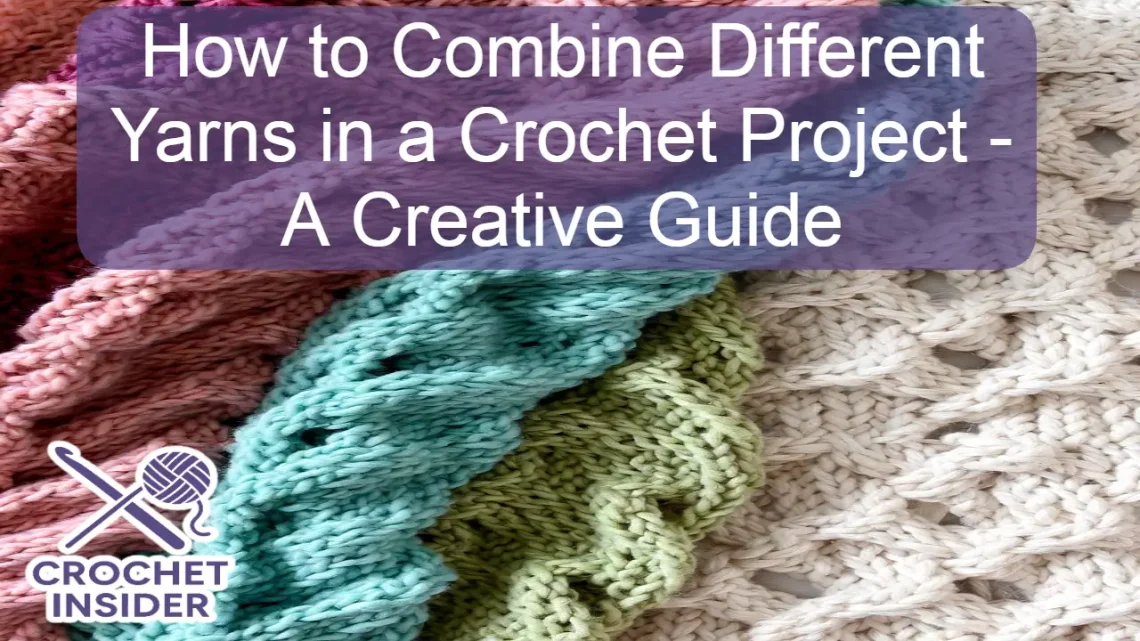
Open your yarn stash. Do you see it? A lonely ball of gorgeous mohair from a forgotten project, a few skeins of rustic wool in different colors, a cone of sturdy cotton, and remnants of sparkly eyelash yarn from a holiday phase. Individually, they’re not enough for a sweater. Together, they could be magic. For years, I viewed each skein in isolation, bound by the pattern’s call for “one yarn.” Then, I saw a blanket made by holding a thin wool and a sparkly thread together. The depth, the texture, the uniqueness—it was a revelation.
Combining yarns is the ultimate creative hack. It lets you create custom colors, textures, and weights, bust your stash, and design truly one-of-a-kind pieces. But it’s not as simple as just crocheting with two strands. If you don’t understand how fibers, weights, and care interact, you can end up with a stiff, unbalanced, or self-destructing mess. This guide will teach you the principles of successful yarn marriage. We’ll explore holding yarns double, striping with different weights, creating intentional texture mixes, and the crucial consideration of care compatibility. Let’s transform your leftover bits into your next masterpiece.
Part 1: The “Held Double” Technique – The Foundation
This is the most common and versatile method: treating two (or more) strands of yarn as if they were one, working them together with an appropriately sized hook.

Why Do It?
- Create Custom Weight: Two strands of fingering weight = roughly a DK. A DK held with a lace weight = a worsted. You can match a pattern’s gauge without buying new yarn.
- Create Custom Color: A solid held with a variegated or a tonal yarn creates incredible depth and heathery effects.
- Add Texture or Sparkle: Hold a plain plied yarn with a mohair for a soft halo, or with a metallic thread for subtle shine.
- Use Up Scraps: Combine multiple partial balls in a coordinated palette to make a stunning scrap blanket.
How to Choose Hook Size:
This is a blend of science and feel.
- Calculate the “Wraps Per Inch” (WPI): Wrap the two strands held together around a ruler for one inch, not overlapping. Count the wraps. Compare to a standard WPI chart to estimate the new combined weight.
- Start with a Hook for the Estimated Weight: If your combo feels like a worsted, start with a 5.5 mm hook.
- SWATCH, SWATCH, SWATCH: This is non-negotiable. Make a large swatch, wash, and block it. Does the fabric have the right drape? Is it too stiff? Too loose? Adjust your hook size based on the swatch feel, not just the math.
Part 2: Successful Pairings – What Works (and What Doesn’t)
Texture Combos That Sing:
- Plied Yarn + Mohair/Alpaca (Halo): A classic. The mohair adds a soft, blurry halo and incredible warmth without much added weight. Use a neutral mohair to soften a bright color, or a contrasting mohair for a tweedy effect. Perfect for cozy shawls and winter sweaters.
- Smooth Yarn + Eyelash/Novelty (Accent): Use the novelty yarn sparingly, held double only for specific rows or sections (like cuffs and collars) to add a fun pop without overwhelming the project or making it difficult to stitch.
- Cotton + Linen (Drape & Texture): Cotton adds softness, linen adds durability and a beautiful rustic slub. Great for market bags and summer tops.
- Solid + Variegated/Self-striping (Color Depth): This is where the magic happens. The solid grounds the busy variegated yarn, creating a more sophisticated, heathered look. The variegated adds life to a dull solid.
Potential Disaster Pairings (Handle with Care):
- Extreme Weight Mismatch: Holding a super bulky with a lace weight will likely cause the thin yarn to get lost and the fabric to be unbalanced. Stick to weights within 1-2 categories of each other for an integrated look.
- Fiber Care Incompatibility: This is the silent killer. Never permanently combine a hand-wash-only yarn with a machine-washable yarn. For example, holding non-superwash wool with acrylic. When finished, you cannot safely wash it—the wool would felt if machine washed, and the acrylic would be fine. The item becomes un-washable. Always pair fibers with similar care requirements.
- Differing Stretch/Flexibility: A highly elastic wool held with a stiff, inelastic cotton can create a fabric that pulls and warps oddly. Swatch to see how they behave together.
Part 3: Strategic Combining Methods Beyond “Held Double”
1. Striping or Sectioning with Different Yarns:
Use different yarns in different parts of the project. For example, a sweater body in a sturdy cotton and the sleeves/ribbing in a warm wool blend. This is safer for care compatibility if the sections are separate. Ensure your gauge is identical for both yarns, or you’ll have uneven seams.
2. Accent Rows or Surface Embellishment:
Don’t hold them together; use them sequentially. Crochet a few rows with a sparkly yarn as a stripe in an otherwise solid blanket. Or, after the piece is finished, use a contrasting thin yarn to surface crochet designs or add a picot edge.
3. The “Stashbuster” Granny Square or Motif:
This is the most forgiving way to combine wildly different leftovers. Make each round of a granny square with a different scrap yarn. As long as the weight is somewhat similar, the motif will block flat, and the variety becomes the design. Join them for a vibrant, memory-filled blanket.
Part 4: My Step-by-Step Process for a Successful Combo Project
- Define the Goal: Is it to use scraps? Create a specific color? Achieve a certain texture?
- Audit Your Yarns: Lay candidates together. Do they look and feel good next to each other? Check fiber content and care labels for compatibility.
- Make a “Combo Swatch”: Hold your chosen strands together. Crochet a swatch at least 6”x6” in the pattern stitch. Wash and block it exactly as you’ll treat the finished item.
- Does it look integrated or messy?
- Does it have the right drape?
- Did one yarn dominate or split?
- Did the colors bleed?
- Calculate Yardage for the Combo: This is tricky. If Pattern calls for 1000 yds of Worsted, and you’re holding a DK (150 yds/ball) and a Lace (400 yds/ball) together, you need enough of each to make 1000 yards of the combined strand. A safe method: buy/make sure you have at least the total yardage in each yarn individually, as using them together will consume both at the same rate.
- Keep Notes! Write down the exact yarns, colorways, and how they were combined. If you need to replicate the project or make repairs years later, you’ll have the recipe.
Part 5: Inspiration & Project Ideas
- The Cozy Memory Blanket: Hold a neutral, sturdy worsted weight (like a beige cotton) double with every scrap of leftover sock yarn, changing the scrap color every row or two. The neutral unifies the chaos.
- The Halo Sweater: Choose a smooth merino wool in your favorite color. Hold it double with a white or grey mohair throughout for an ethereal, luxuriously warm garment.
- The Textured Basket: Combine two strands of sturdy cotton or t-shirt yarn in contrasting colors for a thick, durable, beautifully marled storage basket.
- The Festive Scarf: Hold a solid red wool with a fine metallic gold thread for a holiday accessory that sparkles subtly.
Combining yarns is where you transition from following a pattern to speaking your own design language. It requires experimentation and courage, but the rewards are immense: a deeply personal fabric, a cleared-out stash, and the proud feeling that no one else in the world has anything exactly like what you’ve made. So go on, raid your stash and start playing. The best discoveries are made by breaking the “rules.”
Expand Your Creative Palette:
- Mastering Texture: A Guide to Working with Specialty Yarns – Know your materials.
- Advanced Guide: Crocheting with Multiple Fiber Types – Dive deeper into compatibility.
- Color Play: Tips for Perfect Striped Patterns – Great for combining in rows.
- Your First Combo Project: A Simple Idea + Guide – A safe place to start experimenting.


I love your crochet guide, but the links go nowhere! I’d love to be able to try your toys!