
One of the hardest things of learning to crochet is figuring out what tools and yarns you really need. There are so many choices at craft stores and online that it might be hard to know where to start. There are a lot of things, like hooks in every size, yarns in every color and texture, and accessories you didn’t even know you needed.
We’ll explain everything in this tutorial. You’ll find out what tools you need, what they’re used for, and how to pick the correct yarn for your first projects. You will feel sure of yourself and ready to make your own crochet tools by the end.
The Basic Tools Every Crocheter Needs
Let’s start with the basics. There are a lot of crochet equipment available, but you don’t need them all to start. A newbie really only needs a few things.
Crochet Hooks
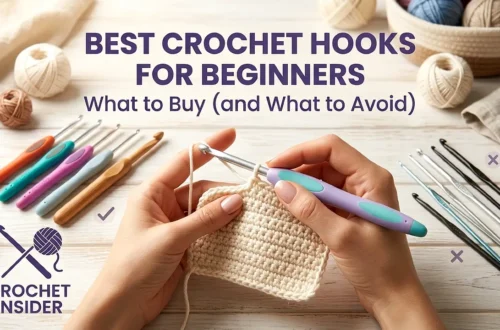
There are different sizes and types of crochet hooks. Each size works best with certain kinds of yarn and stitch patterns. Here’s what you need to know if you’re just starting out. Hook Sizes: Hook sizes are measured in millimeters, and each size usually has a number and a letter next to it (such 5.5 mm or size I-9). For novices, a hook that is between 5 mm and 6 mm is best. A 5.5 mm (I-9) hook is a great size to start with. It fits just right and works nicely with worsted weight yarn, which is a frequent type of yarn for beginners. Hook Materials: Aluminum hooks are cheap and smooth. Plastic hooks are cheap and light. Wood or bamboo hooks feel nice to the touch and are perfect for people who like a natural look. Ergonomic hooks include padded handles that are meant to make your hands less tired. If you plan to crochet a lot, you should definitely get them. Pick a hook that feels well in your hand. Comfort is important because you’ll be using it a lot.
Yarn
Every crochet project starts with yarn. It’s really important to choose the proper type of yarn, especially if you’re new to it. Weight of Yarn: Yarn comes in different weights, which are its thicknesses. These include everything from very fine lace yarn to quite thick and large yarns. For novices, worsted weight yarn (medium, category 4) is the best choice. It’s easy to use, not too thick or thin, and you can find it easily. Fiber Content: There are numerous things that can be used to make yarn, but these are the most common: Acrylic is cheap, easy to find, and easy to take care of. Good for people who are just starting off. Cotton is soft and absorbent, making it great for dishcloths and summer tasks. Wool is warm and elastic, but it can be scratchy for some people and needs careful care. If you’re just starting off, acrylic is the best choice. It doesn’t break quickly, and it’s easy to learn new stitches with it. Color: When you’re just starting out, stay away from dark hues like black or navy. Light-colored yarns make it simpler to see your stitches and rectify mistakes.
Yarn Needle
This big, dull needle is also called a tapestry needle. You use it to weave in the ends of yarn when you’re done with your creation. Pick one with a big eye so you can easily thread thicker yarns.
Scissors
Every time you finish a project or need to cut off extra yarn, a compact, sharp pair of scissors will come in helpful. Some crocheters use a special pair particularly for yarn so the blades don’t get dull.
Stitch Markers
You can use stitch markers to keep track of rounds, rows, or special stitches. When you’re working in the round or on complicated patterns, they’re very helpful. You can also use bobby pins, safety pins, or even little loops of yarn that are a different color.
Measuring Tape
A flexible measuring tape lets you check the size of your final work, measure gauge swatches, or follow the exact specifications of a pattern.
Row Counter (Optional)
A row counter isn’t necessary, but it might help you keep track of your progress and avoid making mistakes. Some folks write things down in a notepad or utilize an app.
Bag or box for the project
If you keep your yarn and tools in order, crocheting will be more fun. A basic tote bag or plastic box is perfect. When you can find your scissors without having to search among the couch cushions, you’ll be glad you did.
Understanding Yarn Labels
When you buy a skein or ball of yarn, it comes with a label that has a lot of important information on it. If you learn how to read that label, you can pick the proper yarn for your projects and avoid any surprises along the way.
You can usually find the following things on a yarn label:
Yarn Weight (Category)
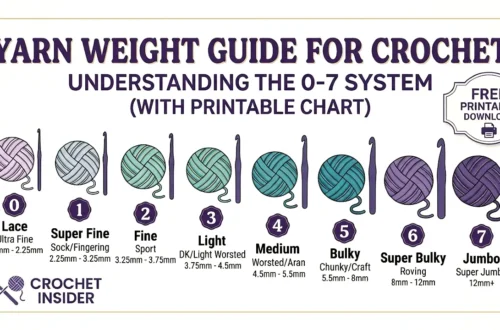
This informs you how thick the yarn is. Most of the time, it has a number on it that goes from 0 (lace) to 7 (jumbo). If you’re just starting out, look for weight 4 (worsted or medium).
Recommended Hook Size
Most labels say what size hook works best with the yarn. This helps you find the proper hook for your yarn, which makes sure your stitches look nice and your creation is the right size.
Gauge Information
Using the hook size that is suggested, you will see a small grid that shows how many stitches and rows make up a 4″ x 4″ square. This helps you follow the pattern’s rules.
Fiber Content
The label will inform you what the yarn is made of, like acrylic, wool, cotton, blends, or something else, as was said before.
Care Instructions
This shows you if you can wash the yarn in the machine or by hand. Acrylic yarn is usually easy to take care of and doesn’t shrink.
Dye Lot Number
Check that the dye lot number is the same on all the skeins if you’re buying more than one for a huge project. This makes sure that the hue stays the same, even if the difference isn’t clear at first. Knowing what’s on the label will help you plan better and not buy yarn that doesn’t fit your needs.
Other Crochet Accessories You Might Find Useful
You might wish to add a few more useful tools to your toolbox as you grow better at the basics. These aren’t absolutely necessary for novices, but they can make your experience better.
Blocking Mats and Pins
Blocking is a way to shape and flatten crochet pieces. Blocking might help if you need to make clothes or squares that are the right size. It’s easy with mats and pins that won’t corrode.
Hook Organizer
A case or roll-up pouch will help you keep your hooks organized and stop them from being lost as you start accumulating different sizes.
Yarn Winder and Swift
A yarn winder lets you make neat, center-pull cakes if you buy yarn in hanks or want to rewind extra yarn. A yarn swift keeps the hank steady while you wind it.
Lighted Crochet Hooks
If you like to crochet at night or have problems seeing stitches in darker yarns, they are fantastic.
Crochet Books or Pattern Printouts
It can be helpful to have a few basic designs or a crochet reference book close by case you don’t know how to do something or want to try a new stitch.
Making Your First Crochet Kit
Here’s a basic list to help you put together your first beginner-friendly crochet kit now that you know what equipment and supplies you need. A list of things to include in a basic beginner kit:
1 hook that fits your hand well (5.5 mm or 6 mm)
1 skein of light-colored worsted weight acrylic yarn
Yarn needle
Small scissors
2–3 stitch markers
Measuring tape
You may buy these things separately or as part of a starter kit online or at a craft store. Some kits come with a pattern booklet, which might help you decide what to make initially.
How to Pick the Right Materials
If you’re still not sure which yarn or hook to buy, remember these things: Start with the basics: Until you can tell your stitches apart, stay away from yarns that are fuzzy, textured, or have more than one color. Try out a few hooks. Everyone’s hands are different. Try out different kinds of hooks to see which ones you like best. acquire enough yarn: If you’re following a pattern, find out how much yarn you’ll need and acquire a little extra just in case. Choose fibers that are easy to care for. Machine-washable yarns are great because they make things easier, especially while you’re still learning and might need to start over or undo projects.
Final Thoughts
Having the correct tools can make crocheting easier and more fun. You don’t need every accessory out there, but having a few good ones to start with will help you succeed. As you get better at it, you’ll naturally add to your collection and start to like certain yarns, hooks, and equipment more than others. Keep in mind that the point of crochet is to have fun. Don’t worry about getting everything just right from the start. Start with the basics, give yourself time, and enjoy making something with your own hands.