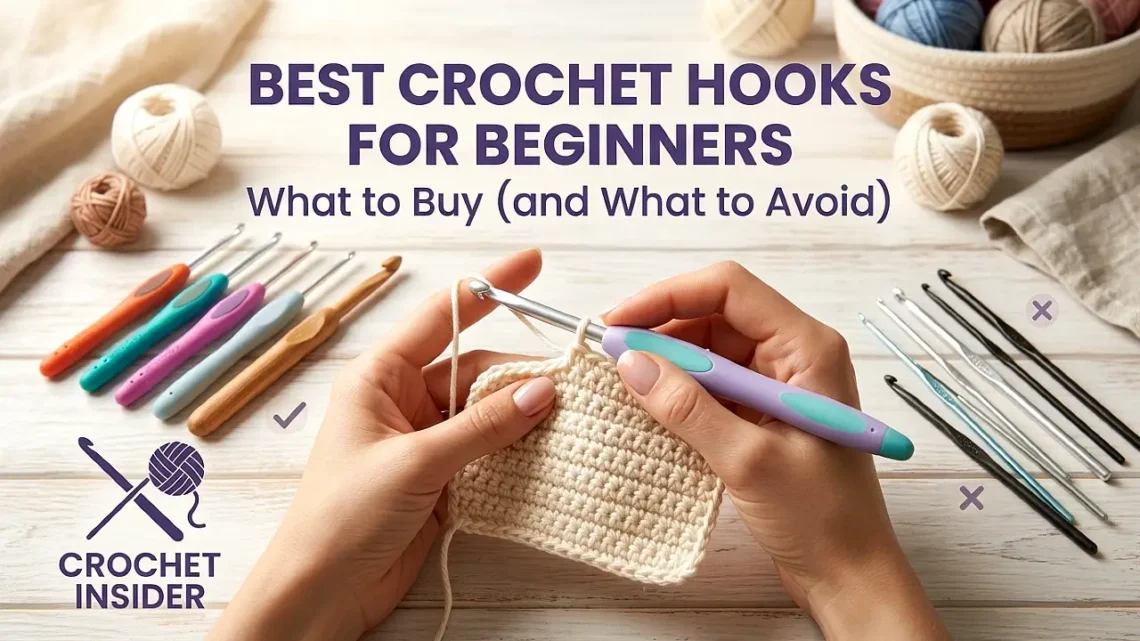
When I started crocheting, I bought a cheap plastic hook from a dollar store. It was rough, the yarn squeaked, and my hand hurt after ten minutes. I almost quit. Then a friend gave me a basic aluminum hook – a Boye 5.5mm – and suddenly everything changed. The right hook makes crocheting a joy. The wrong hook makes it a chore. In this guide, I’ll review the best crochet hooks for beginners, from budget aluminum to premium ergonomic sets. I’ll tell you what size to buy first, which materials to choose, and what to avoid. No matter your budget, you’ll find a hook that feels like an extension of your hand.
What size hook should you buy first?
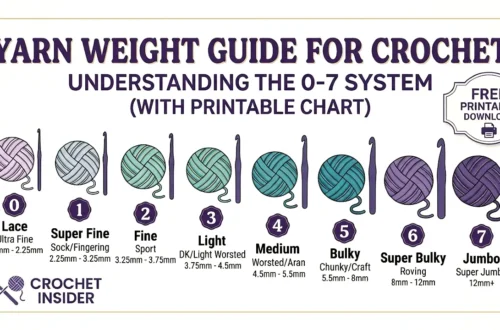
If you only buy one hook as a beginner, buy a 5.5mm (I‑9) aluminum hook. This size is perfect for worsted weight (#4) yarn – the most common beginner yarn. It’s not too small (which would make tight, cramped stitches) and not too large (which would make loose, holey fabric). It’s the Goldilocks hook. Pair it with a skein of worsted acrylic in a light colour, and you’re ready to make dishcloths, scarves, and hats.
Second hook to buy: 4.0mm (G‑6) for lighter yarns or amigurumi.
Third hook to buy: 6.5mm (K‑10.5) for bulky yarns and fast blankets.
But start with the 5.5mm. You can make dozens of projects with just that one size.
Hook materials: aluminum, wood, plastic, ergonomic
The material of your hook affects how it feels and how your yarn glides.
My advice for beginners: Start with an aluminum hook (Boye or Susan Bates). It’s cheap, durable, and works with most yarns. After a few months, if your hands hurt, invest in an ergonomic hook – you’ll never go back.
Inline vs tapered heads – what’s the difference?
This is a detail that matters more than you think. The shape of the hook’s head (the part that catches the yarn) affects how easily you pull through loops.
- Tapered head (Boye): The hook is rounded and narrows at the throat. Most common in the US. The yarn glides off easily. Great for speed crocheting.
- Inline head (Susan Bates): The hook is the same diameter as the shaft, with a sharp edge. The yarn stays on the hook longer. Good for keeping loops from slipping off accidentally.
Which is better for beginners? There’s no right answer – try both. Many beginners prefer inline (Susan Bates) because the yarn doesn’t slip off as easily. Others prefer tapered (Boye) because it’s faster. Buy one of each in 5.5mm and see which you like.
Best budget hooks (under $5)
If you’re on a tight budget, these hooks will serve you well. They’re not fancy, but they work.
Boye Aluminum Hook $2‑4
Best for: Beginners who want a standard, widely available hook.
Pros: Smooth, affordable, easy to find at any craft store. Tapered head.
Cons: No ergonomic handle – can cause hand fatigue if you crochet for hours.
Verdict: ★★★★☆ – the classic beginner hook. Buy it in 5.5mm.
Susan Bates Aluminum Hook $2‑4
Best for: Beginners who want an inline head (yarn stays on hook).
Pros: Inline head prevents yarn from slipping, smooth finish.
Cons: Same as Boye – no ergonomic handle.
Verdict: ★★★★☆ – excellent alternative to Boye. Try both to see which you prefer.
Best ergonomic hooks (for hand comfort)
If you have hand pain or plan to crochet for long sessions, splurge on ergonomic hooks. They’re worth every penny.
Clover Amour $8‑11 per hook
Best for: Anyone who crochets more than an hour at a time.
Pros: Incredibly smooth, comfortable rubber grip, beautiful colours. The gold standard. Tapered head.
Cons: Expensive (but they last forever).
Verdict: ★★★★★ – my personal favourite. Worth the investment. If you buy one ergonomic hook, make it Clover Amour in 5.5mm.
Prym (plastic ergonomic) $6‑8
Best for: Budget‑conscious crocheters who want ergonomic comfort.
Pros: Very lightweight, soft grip, smooth surface. Inline head.
Cons: Plastic can feel less premium than aluminum.
Verdict: ★★★★☆ – great value for an ergonomic hook.
Addi Swing $12‑15
Best for: Crocheters who have wrist pain (the angled handle helps).
Pros: Unique angled handle reduces wrist strain, very smooth.
Cons: The angle takes getting used to. Expensive.
Verdict: ★★★★☆ – not for everyone, but a lifesaver for some.
Best hook sets (if you want to buy a full set)
If you know you’ll be crocheting for years, a full set is more economical than buying hooks individually. Here are the best sets for beginners.
Clover Amour Set (10 hooks) $60‑80
Includes: 2.25mm to 6.0mm, plus case.
Pros: The best hooks money can buy. Smooth, comfortable, beautiful.
Cons: Expensive upfront.
Verdict: ★★★★★ – a lifetime investment. If you can afford it, buy these once and never buy hooks again.
Boye Ergonomic Set $20‑30
Includes: 6 sizes (4.0mm to 6.0mm).
Pros: Affordable, soft rubber handles, good value.
Cons: The handles are shorter than Clover; some crocheters find them less comfortable.
Verdict: ★★★★☆ – a good budget ergonomic set.
Susan Bates Silvalume Set $15‑25
Includes: 5‑7 sizes (aluminum, no ergonomic handles).
Pros: Affordable, inline head, durable.
Cons: No ergonomic grip – your hand may tire.
Verdict: ★★★☆☆ – fine for casual crocheters, but consider ergonomic handles for comfort.
What hooks to avoid as a beginner
- Steel hooks (very small, 0.6‑2.0mm). These are for thread crochet (doilies). They’re tiny and frustrating for beginners.
- Jumbo hooks (over 10mm). Too big for standard yarn; they’re for arm knitting or extreme bulky yarn. Skip for now.
- Cheap plastic hooks (no‑name brands). Often have rough seams that snag your yarn. The extra dollar for aluminum is worth it.
- Tunisian crochet hooks (long, with a stopper). That’s a different technique. Confusing for beginners.
- Decorative or novelty hooks (shaped handles, cartoon characters). Often uncomfortable to hold.
How to care for your hooks
Good hooks last a lifetime. Here’s how to keep them nice:
- Aluminum: Wipe with a soft cloth. If they get sticky from yarn residue, wash with mild soap and dry immediately.
- Wood: Store away from moisture. Occasionally rub with a tiny bit of beeswax or mineral oil.
- Ergonomic handles: Don’t soak in water. Wipe with a damp cloth.
- Store in a hook case or pencil case. Don’t toss loose in a bag – they can scratch.
Your perfect first hook
If you’re standing in the craft store right now, buy a Boye or Susan Bates aluminum hook in 5.5mm (I‑9). It should cost $2‑5. Also buy a skein of worsted weight light‑coloured acrylic yarn. Take them home, watch our beginner tutorial, and make your first chain. That simple hook will be the start of something wonderful. If you find that you love crocheting and your hands get tired, invest in a Clover Amour 5.5mm – it’s the best money I’ve ever spent on a craft tool.