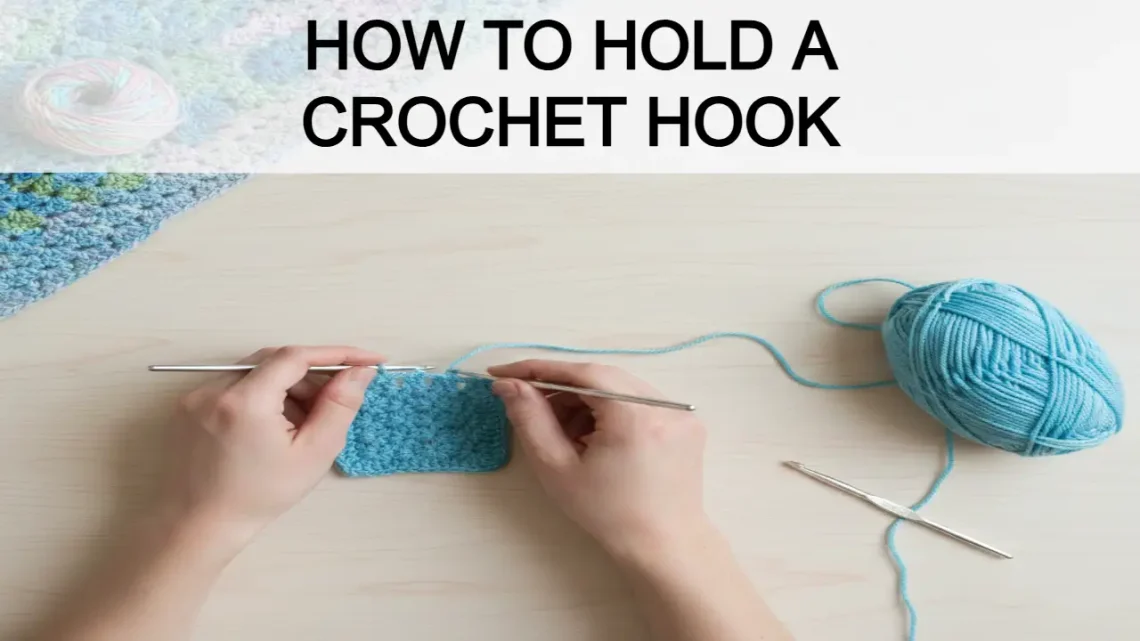
So you’ve got your first soft ball of yarn and a shiny new hook. You’re ready to create something beautiful… but wait. How on earth are you supposed to hold this thing? If you’re feeling a bit awkward, like you’re trying to write with the wrong hand, you’re not alone. Every single crocheter—including me, with over 15 years under my belt—started right where you are now.
Let’s get one thing straight: there is no single “perfect” grip enforced by the Crochet Police. But there is a comfortable, efficient way that will save your hands from aching and make your stitches even. Think of it like holding a pen; you need control without the death grip. Today, I’ll walk you through the two most popular holds, help you choose yours, and share the little tricks I wish someone had told me when I began.
Why Your Grip Matters More Than You Think
Before we dive in, let’s talk about why this first step is so crucial. A proper hold is the foundation of everything in crochet. It directly affects:
- Your Tension: That’s the evenness of your stitches. A tight, strained grip makes tight, stiff fabric. A relaxed hold allows for smooth, consistent loops.
- Your Speed: Once muscle memory kicks in, an efficient grip lets you fly through rows without constant readjustment.
- Your Hands: Crochet should be relaxing, not painful. A bad grip is the fastest way to hand cramps, wrist strain, and even conditions like tendinitis. We’re here for the long, cozy haul!
Meet the Two Main Holds: Pencil vs. Knife
Imagine you’re about to eat a lovely dinner. One hold looks like you’re holding a pencil to write, the other like you’re holding a knife to cut. Simple, right? Let’s break them down.
1. The Pencil Hold (Overhand Hold)
How it looks: You hold the hook like you would a pencil or a paintbrush, between your thumb and index finger, resting on your middle finger.
My Step-by-Step Guide:
- Rest the flat part of the hook’s handle on your middle finger.
- Place your thumb on one side and your index finger on the other, near the hook’s middle or slightly toward the thumb rest.
- Your ring and pinky fingers curl gently inward, often used to help control the yarn tension.
My Personal Take: This was my first love! I find it offers fantastic control for intricate work like lace stitches or detailed amigurumi. The movement comes mainly from your fingers and wrist, which can feel very precise.
2. The Knife Hold (Underhand Hold)
How it looks: You hold the hook like you’re gripping a dinner knife, with your palm over the top of the handle.
My Step-by-Step Guide:
- Make a loose fist and slide the hook’s handle inside.
- Your thumb rests on one side, and your index finger points slightly forward along the hook, often touching the thumb rest.
- Your other fingers curl around the handle for support.
My Personal Take: I switched to this hold for big, cozy projects like blankets and cardigans. The motion comes more from your arm and shoulder, which many find less fatiguing for long crochet sessions. It often allows for faster stitching once you’re used to it.
How to Choose YOUR Hold: A Simple Test
Don’t overthink it! Try this:
- Pick Up the Hook: Without looking at this guide, just pick up your hook naturally. Which way feels more instinctive?
- The 5-Minute Test: Try the Pencil Hold and make 20 chain stitches. Then try the Knife Hold and make another 20. Which felt smoother? Which caused less tension in your hand?
- Watch Your Wrist: If your wrist is bent at a sharp angle, try adjusting your grip or switch to the other hold. Your wrist should be fairly neutral.
My advice? Start with the one that feels more natural. You can always learn the other later—many seasoned crocheters, like me, use both depending on the project!
Pro Tips from My Crochet Bag (Avoid These Mistakes!)
Here’s the real gold—things you won’t find in every beginner’s guide:
- The “Death Grip” Syndrome: Squeezing the hook for dear life is the #1 beginner mistake. Your grip should be firm enough for control but loose enough that someone could gently pull the hook from your hand. Relax your shoulders, too!
- Hook Anatomy is Your Friend: See that flat spot on the hook? That’s the thumb rest. Use it! It’s designed to give your thumb a comfortable place and improve leverage.
- Pinky Power: Don’t ignore your pinky and ring fingers. Practice using them to gently guide and tension the yarn as you work. It makes a world of difference for even stitches.
- Take a Break! Every 20-30 minutes, put your work down, stretch your hands, and roll your wrists. Your future self will thank you. If you feel pain, stop and reassess your grip.
FAQs from My Students
Q: My hand hurts no matter what I try. What now?
A: First, ensure you’re not gripping too tight. Second, look at your hook. Beginners often find ergonomic hooks with soft, squishy handles (like Clover Amour or similar) to be absolute game-changers for comfort. They’re worth the investment.
Q: Does the hold change with hook material (aluminum, wood, etc.)?
A: It shouldn’t change the technique, but the feel does. A slippery metal hook might make you grip tighter unconsciously. A wooden or rubberized hook often provides more “grip,” helping you relax your hold. Experiment to find your favorite! Here’s our guide on choosing the right crochet tools.
Q: I’m left-handed. Does this change?
A: Not at all! The mirror image applies. If you’re a lefty, just follow the same instructions but use your left hand. The relationship between your fingers and the hook is the same.
Your Next Steps on the Crochet Journey
Congratulations! You’ve just mastered the very first—and most important—skill in crochet. With a comfortable hold, you’re ready to actually make something. The logical next step is learning your foundation chain and basic stitches.
Remember, this feels strange for everyone at first. In a week, it will feel normal. In a month, you won’t even think about it. Be patient with your hands as they learn this new skill.
Now, grab that hook (comfortably!), take a deep breath, and let’s move on to creating your first real stitches. You’ve got this.
Ready for Your Next Stitch? Keep Learning:
- Chain, Single, Double & Treble: Basic Stitches Explained – Let’s turn that chain into real fabric!
- Crochet Tension & Gauge: What They Are and Why They Matter – The secret to making things that actually fit.
- How to Start a First Crochet Project — Idea + Step-by-Step – From holding the hook to finishing your first piece.
- How to Fix Common Crochet Mistakes – Dropped a stitch? Don’t panic, we’ll fix it together.